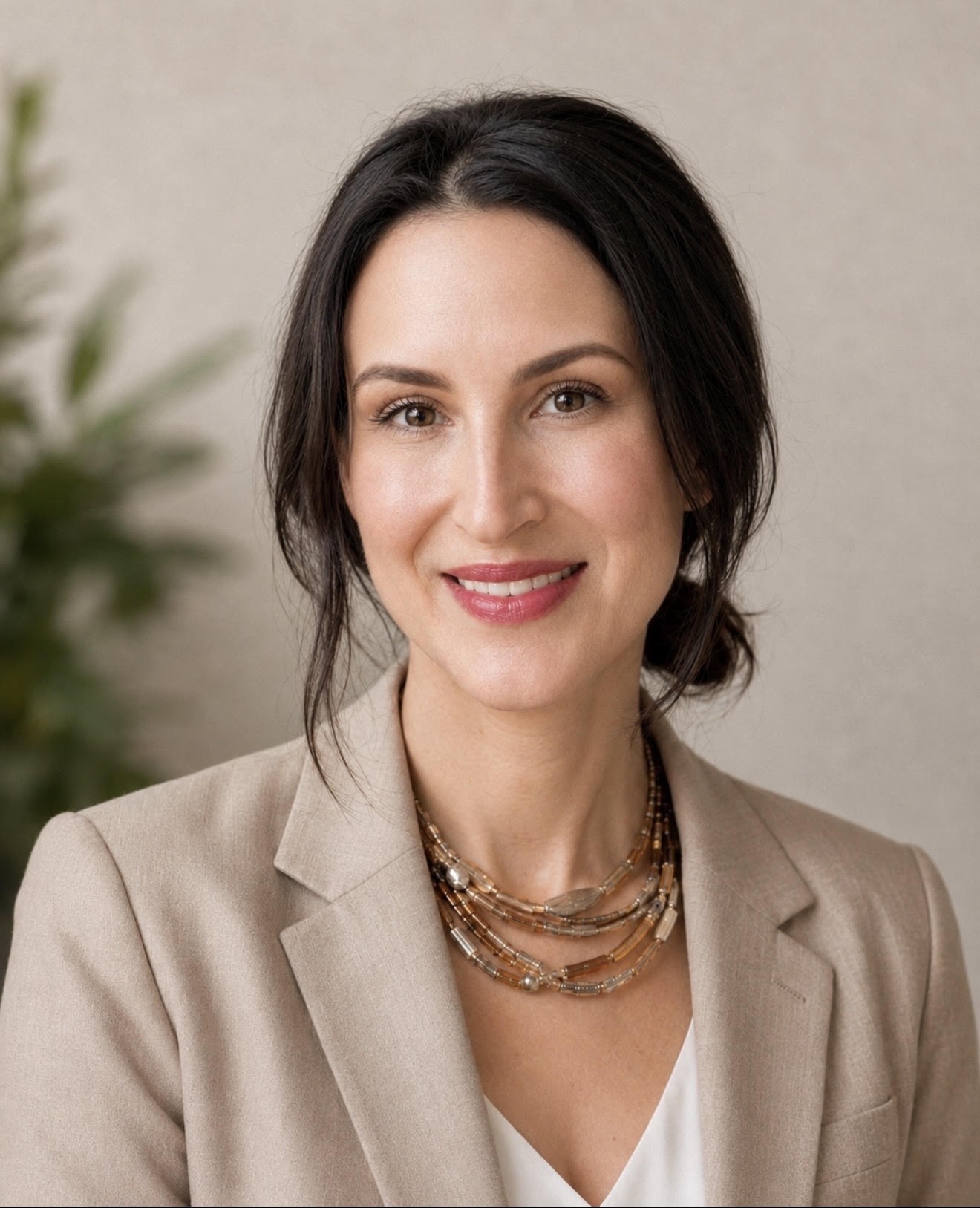
Wynden Rogers, LPC-A (She/Her)
Supervised by Doc Davis, LPC-S at Austin Mindfulness Center in Austin, Texas.
Supervised by Doc Davis, LPC-S.
I care for myself by noticing what I need — quiet reflection, time outdoors, rest.
Support for ADHD, Anxiety, Mood Disorders
It's not what you look at that matters, it's what you see. — Henry David Thoreau (attributed via Wayne Dyer)
Meet with Wynden
- In person at the North Austin office, and online appointments.
- Ages 19 and up: Adults (26–64) and Young Adults (18–25)
- Languages: English.
Payment options: Aetna, Blue Cross Blue Shield, Private Pay / Self Pay, and Sana.
Availability and insurance coverage are confirmed before scheduling.
Professional profile
Wynden is a Licensed Professional Counselor Associate in the state of Texas. She earned her Master of Arts in Clinical Mental Health Counseling from St. Edward’s University and received her Bachelor’s degree from Texas Tech University, where she studied Psychology, Communication Studies, and Organizational Leadership, graduating with honors.
Wynden brings a warm, curious, and person-centered approach to counseling. She is passionate about creating a supportive and nonjudgmental space where clients can feel seen, understood, and empowered to better understand themselves. Her clinical interests include anxiety, ADHD, attachment, neurodivergence, trauma, mood disorders, personality disorders, relationship concerns, life transitions, self-esteem, and identity exploration.
In her work, Wynden values the therapeutic relationship as an important part of healing and growth. She integrates mindfulness, curiosity, compassion, and practical coping skills to support clients as they explore patterns, build self-awareness, and move toward meaningful change.
Wynden is an Austin native who enjoys spending her time doing things that support a mostly balanced life. Outside of the therapy room, she enjoys long walks, swimming, reading, listening to audiobooks, spending time with friends, the occasional Pilates class, and unwinding with Bravo.
Welcome
Hi, and welcome. If you are here, you may be looking for a place to begin therapy, return to therapy, or find a counselor who feels like the right fit. I know that starting this process can feel vulnerable, and I also believe it can be a meaningful step toward understanding yourself in a deeper and more compassionate way.
My hope is to offer a space that feels steady, collaborative, and honest. I show up with warmth, curiosity, and care, while also gently helping clients look at the patterns, beliefs, relationships, and experiences that may be shaping how they move through the world. I value therapy as a relationship where you can feel supported while also being invited into growth.
How I work
My approach is person-centered, which means I believe you are the expert on your own life. My role is to support you with curiosity, care, and honesty as you explore your experiences, better understand yourself, and move toward the growth and change you are seeking.
What Wynden helps with
- ADHD
- Anxiety
- Attachment Concerns
- Autism
- Bipolar Disorder
- Body Image
- Borderline Personality Disorder (BPD)
- Caregiving Stress
- Depression
- Grief and Loss
- Identity Exploration
- LGBTQ+ Concerns
- Life Transitions
- Mood Disorders
- Narcissistic Personality Disorder (NPD)
- Neurodivergence
- Panic Disorder
- Personality Disorders
- Phobias
- PTSD
- Relationship Concerns
- Self-Esteem
- Stress
- Trauma
Who Wynden works with
- LGBTQ+ Individuals
- Neurodivergent Individuals
- Caregivers
How Wynden works
- Cognitive Behavioral Therapy (CBT)
- Integrative Approach
- Mindfulness
- Strengths-Based Approach
Therapist spotlight
What made you decide to become a counselor?
I pursued a career in counseling because therapy profoundly transformed my understanding of myself, my relationships, and the world around me. The experience of working with a compassionate and supportive counselor inspired me to cultivate a similar environment in which others can feel acknowledged and supported as they engage in personal growth and healing. A quotation that resonates deeply with me, often attributed to Marcus Aurelius, is: “The happiness of your life depends upon the quality of your thoughts.” This statement underscores the significance of developing awareness of our inner experiences and approaching our thoughts with curiosity and compassion.
If you could teach the world one skill or technique to improve their lives,what would it be?
If I could teach the world one skill, it would be radical acceptance. Radical acceptance is the practice of acknowledging reality as it is, rather than as we wish it were. This does not mean approving of painful experiences, giving up, or pretending something is okay when it is not. Instead, it means allowing ourselves to stop fighting what has already happened, so we can respond with greater clarity and care. So much of our suffering comes not only from pain itself, but from the added struggle of resisting, replaying, or arguing with reality. When we can gently accept where we are, we create more space for self-compassion, emotional regulation, and meaningful change.
If you could recommend one book to all your clients, what would it be?
Choosing just one book is nearly impossible, but if I had to pick, I would recommend The Four Agreements: A Practical Guide to Personal Freedom by Don Miguel Ruiz. It is a quick, accessible read and a meaningful roadmap for intentional personal growth. I appreciate how it encourages self-awareness, intentional communication, and a more compassionate relationship with ourselves and others.
How do you personally practice self-care?
I practice self-care as an ongoing process of recognizing my needs and responding to them with compassion. Rather than following a rigid routine, I focus on practices that help me feel grounded, present, and connected to myself. These may include setting aside quiet time for reflection, spending time outdoors, moving my body, maintaining meaningful connections with others, or allowing myself adequate rest.
Have you personally been to counseling? If so, what did you learn about yourself?
Yes, I have been and continue to be an active participant in my counseling journey. Therapy has helped me navigate difficult seasons, deepen my self-understanding, strengthen my relationships, and build coping skills that support meaningful change. It has also taught me to approach myself with compassion, curiosity, and accountability as I continue to grow.
How do you relate to mindfulness? How do you incorporate it into your sessions?
I view mindfulness to reconnect with the present moment by cultivating curiosity, compassion, and nonjudgment. In sessions, I often encourage clients to slow down and observe their body, thoughts, emotions, or breath at their own pace. For example, if a client feels overwhelmed, I might guide a brief grounding exercise focused on the breath or the senses to help them become more present, stable, and connected.