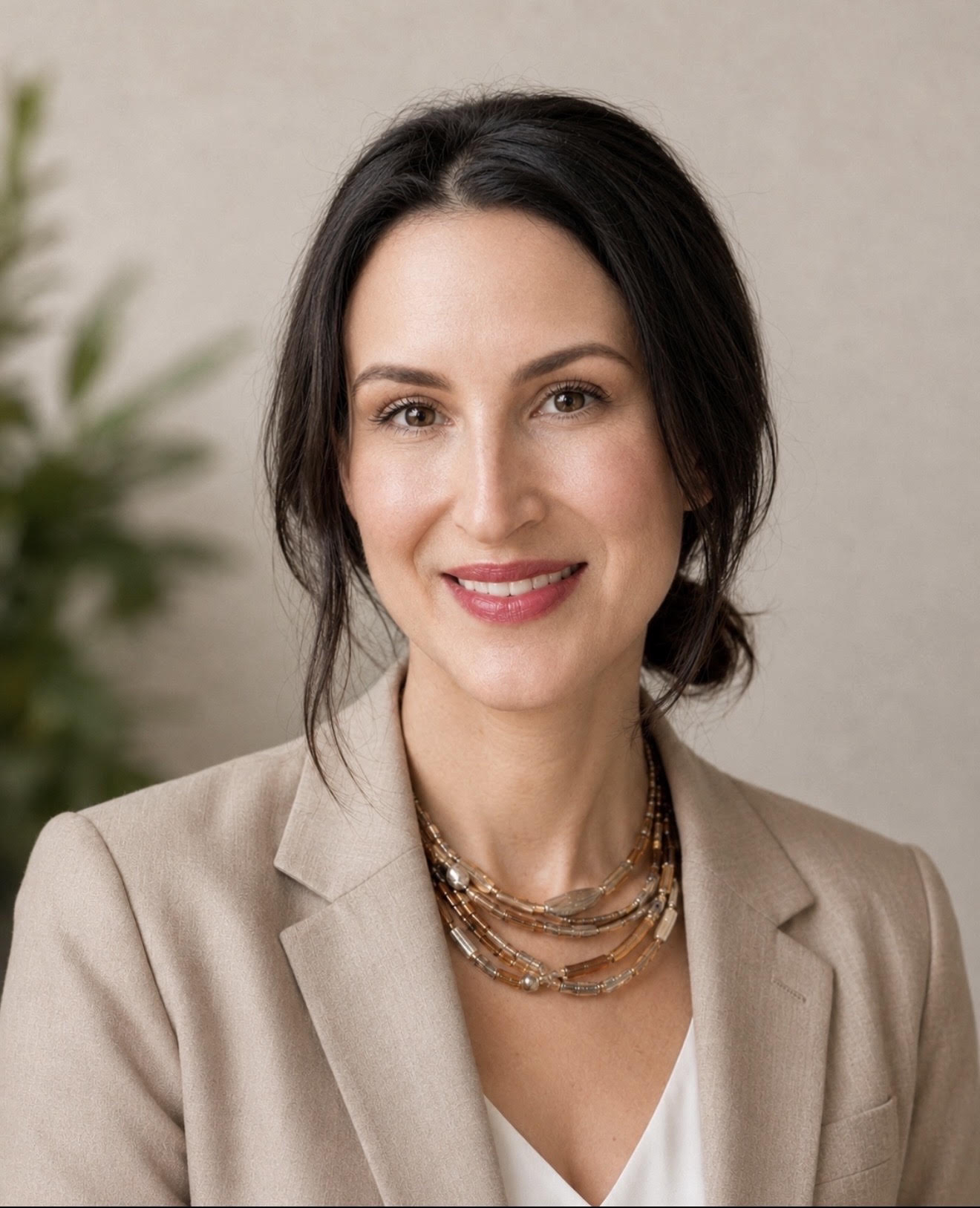
Wynden Rogers, LPC-A (She/Her)
Supervised by Doc Davis, LPC-S at Austin Mindfulness Center in Austin, Texas.
Supervised by Doc Davis, LPC-S.
Greater self-understanding can open the door to new perspectives and meaningful change.
Support for ADHD, Anxiety, Mood Disorders
It's not what you look at that matters, it's what you see. — Henry David Thoreau
Meet with Wynden
- In person at the North Austin office, and online appointments.
- Ages 19 and up: Young Adults (18–25), Adults (26–64), and Older Adults (65+)
- Languages: English.
Payment options: Aetna, Blue Cross Blue Shield, Private Pay / Self Pay, and Sana.
Availability and insurance coverage are confirmed before scheduling.
Professional profile
Wynden is a Licensed Professional Counselor Associate in the state of Texas. She earned her Master of Arts in Clinical Mental Health Counseling from St. Edward’s University and received her Bachelor’s degree from Texas Tech University, where she studied Psychology, Communication Studies, and Organizational Leadership, graduating with honors.
Wynden brings a warm, curious, and person-centered approach to counseling. She is passionate about creating a supportive and nonjudgmental space where clients can feel seen, understood, and empowered to better understand themselves. Her clinical interests include anxiety, ADHD, attachment, neurodivergence, trauma, mood disorders, personality disorders, relationship concerns, life transitions, self-esteem, and identity exploration.
In her work, Wynden values the therapeutic relationship as an important part of healing and growth. She integrates mindfulness, curiosity, compassion, and practical coping skills to support clients as they explore patterns, build self-awareness, and move toward meaningful change.
Wynden is an Austin native who enjoys spending her time doing things that support a mostly balanced life. Outside of the therapy room, she enjoys long walks, swimming, reading, listening to audiobooks, spending time with friends, the occasional Pilates class, and unwinding with Bravo.
Welcome
Hi, and welcome. If you are here, you may be looking for a place to begin or return to therapy, or to find a counselor who feels like the right fit. I know that starting this process can feel vulnerable, and I believe it can also be a meaningful step toward understanding yourself more deeply and with greater compassion.
My hope is to offer a space that feels steady, collaborative, and honest. I show up with warmth, curiosity, and care, and gently help clients examine the patterns, beliefs, relationships, and experiences that may be shaping how they move through the world. I value therapy as a relationship in which you can feel supported while being invited to grow.
How I work
My approach is person-centered, meaning I believe you are the expert on your own life. My role is to support you with curiosity, care, and honesty as you explore your experiences, gain a deeper understanding of yourself, and move toward the growth and change you seek.
What Wynden helps with
- Abandonment
- Attachment Concerns
- Boundaries
- Codependency
- ADHD
- Aging & Later-Life Adjustment
- Alternative Lifestyle Concerns
- Alternative Spirituality
- Anxiety
- Autism
- Bipolar Disorder
- Body Image
- Borderline Personality Disorder (BPD)
- Caregiving Stress
- Complex Trauma
- Depression
- Dissociative Identity Disorder (DID)
- Divorce / Separation
- Domestic Violence Survivor Support
- Eating Disorders
- Family Conflict
- Giftedness
- Grief and Loss
- Identity Exploration
- LGBTQ+ Concerns
- Life Transitions
- Meaning & Purpose
- Midlife Transitions
- Mood Disorders
- Narcissistic Personality Disorder (NPD)
- Neurodivergence
- OCD
- Panic Disorder
- People-Pleasing
- Perfectionism
- Personality Disorders
- Phobias
- PTSD
- Relationship Concerns
- Self-Esteem
- Self-Harm
- Sexual Trauma
- Spiritual Growth
- Stress
- Trauma
Who Wynden works with
- Artists & Creatives
- Chronic Pain / Chronic Illness
- College Students
- First Responders
- Gifted Adults
- LGBTQ+ Individuals
- Neurodivergent Individuals
- Spiritually Exploring Individuals
- Young Professionals
- Bicultural / Multicultural Individuals
- BIPOC Communities
- Caregivers
- Identity-Exploring Clients
How Wynden works
- Person-Centered
- Adlerian Therapy
- Behavior Modification
- Cognitive Behavioral Therapy (CBT)
- Dialectical Behavior Therapy (DBT)
- Integrative Approach
- Internal Family Systems (IFS)
- Mindfulness
- Mindfulness-Based Cognitive Therapy (MBCT)
- Narrative Therapy
- Psychodynamic
- Solution-Focused Brief Therapy
- Strengths-Based Approach
Therapist spotlight
What made you decide to become a counselor?
I've always been interested in understanding human behavior, especially how our experiences shape how we think, feel, and relate to others. My own counseling experience deepened that curiosity and helped me appreciate how meaningful it can be to examine familiar patterns from a different perspective. I was drawn to a profession that combines genuine human connection, thoughtful exploration, and the opportunity to help people gain a deeper understanding of themselves and their lives.
If you could teach the world one skill or technique to improve their lives,what would it be?
Radical acceptance. It's the practice of acknowledging reality as it is, rather than how we wish it were. This doesn't mean approving of a situation or giving up on change. It means recognizing what's outside our control so we can focus our energy on what is within our control.
If you could recommend one book to all your clients, what would it be?
Choosing just one book is difficult because what resonates with someone often depends on where they are in life. One I frequently return to is The Four Agreements by Don Miguel Ruiz. I appreciate its accessible exploration of how our assumptions, beliefs, and communication patterns influence our relationships with ourselves and others. It invites readers to question familiar ways of thinking and consider how they might approach life with greater awareness and intention.
Have you personally been to counseling? If so, what did you learn about yourself?
Yes. Counseling has reinforced the importance of self-awareness, compassion, and accountability. Understanding what shaped us doesn't define us; therapy helps us recognize patterns, question long-held beliefs, and relate more intentionally to ourselves and others. I've learned that meaningful change often begins with curiosity rather than judgment.
How do you relate to mindfulness? How do you incorporate it into your sessions?
I think of mindfulness as becoming more aware of our experiences with curiosity rather than immediately judging or reacting. It doesn't require meditation or quieting the mind. Sometimes it's simply noticing what we're feeling, recognizing a familiar thought pattern, or becoming curious about why a particular situation affects us the way it does.
In therapy, I incorporate mindfulness in practical ways that reflect each person's needs. This may mean slowing down to understand an emotional response, noticing how stress affects the body, or creating space between what we feel and how we choose to respond. Over time, this can build self-awareness and emotional flexibility, helping us approach everyday experiences with greater clarity and intention.
If you are hosting a dinner party, who are the 3 people you would invite and why?
I'd invite Alan Watts, Ram Dass, and Dr. Gabor Maté. I'd be eager to explore Watts's philosophical views on the self, consciousness, and our tendency to seek certainty and control. Ram Dass could share thoughtful insights on mindfulness, compassion, and how self-acceptance relates to personal growth. I'd also be fascinated by Maté's perspective on how early experiences shape our emotional lives, relationships, and behavioral patterns.